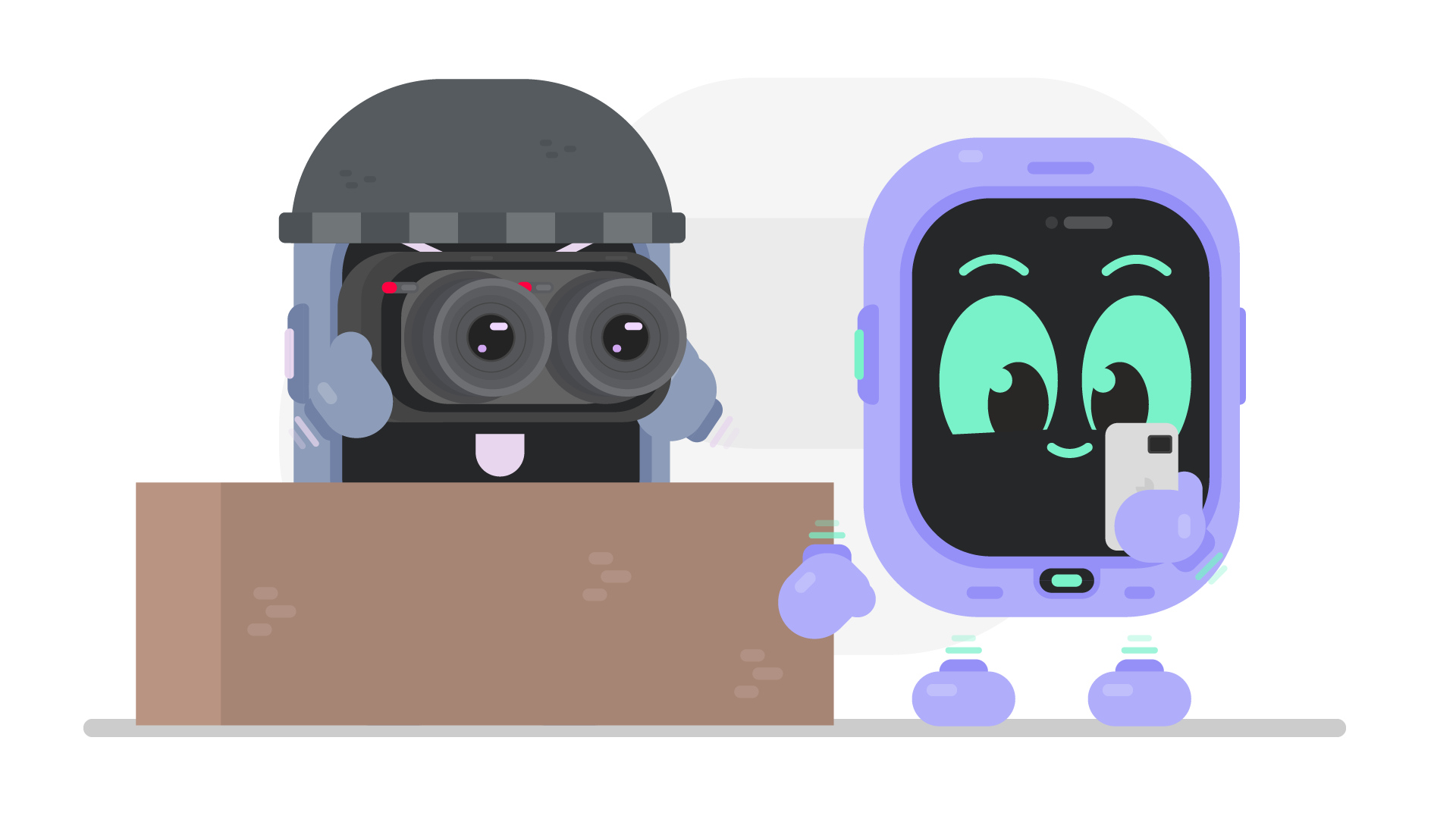

Illustration cybersecurity and behavior: A hacker spies on an unsuspecting smartphone user. Header image for Awareways article on the human factor and behavioral change as essential defense against ransomware and infostealers.

From knowledge transfer to behavioral change

Modern attackers no longer try to break through an organization's technical walls. They simply ask an employee to open the door for them. True resilience requires a different approach to security training. Knowledge transfer is no longer central; behavioral change is. Employees know that malware exists and are aware of the risks, but do not always act accordingly. By making secure behavior concrete, explaining its importance, and offering space to practise in a secure environment, lasting change is created.


Pixel-style cursor icon symbolising the moment of clicking. Illustration for an explanation of the psychology behind phishing and Adversary in the Middle (AitM) attacks.

Ransomware and the psychology of the click

Like most malware, ransomware still largely enters via phishing. Social engineers manipulate employees using emotions such as fear, curiosity or helpfulness to get them to click on something. It is therefore particularly important that we do not just teach employees what ransomware is, but specifically how to recognize the manipulation that precedes it.

How do you spot a phishing email specifically targeted at your role? Which red flags do you recognize in the email that appears to come from the CEO? By practicing recognizing these signals, you strengthen human judgement and build your organization's resilience.

An even lesser-known phenomenon is Adversary in the Middle (AitM). Unfortunately, this new risk is increasing rapidly. Using fake login pages, cybercriminals get hold of your username, password and multifactor authentication (MFA) code. It is not malware, but it does steal data and reaches you through phishing.
Infostealers and the pitfall of Shadow IT

A completely different form of malware is the silent thief known as the infostealer. This malware does not hold files hostage, but silently steals all data from your laptop. The biggest cause? Apps and digital tools installed without IT intervention. We call this Shadow IT. Driven by time pressure and efficiency, employees choose what works, often without being aware of the security risks.

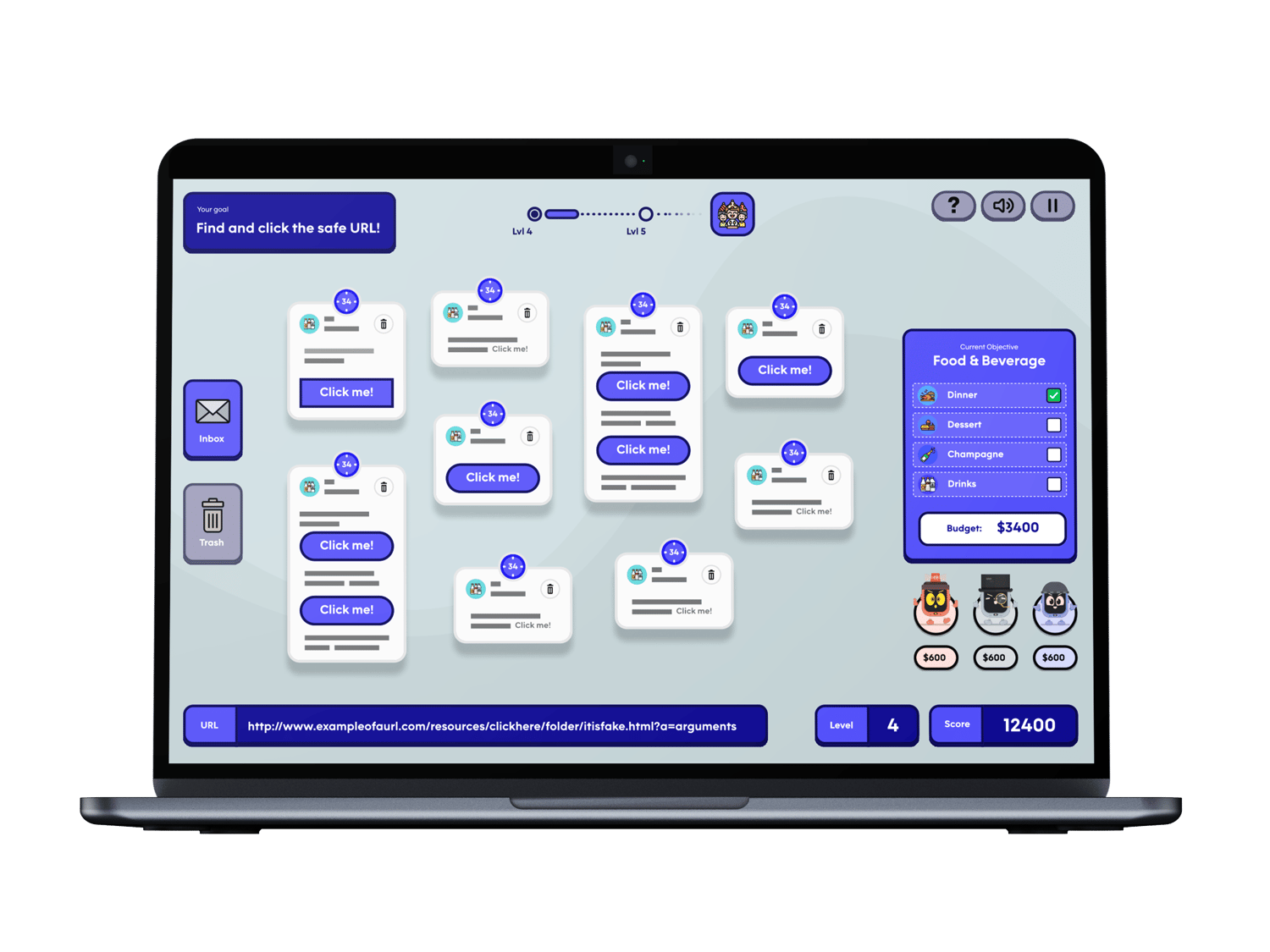
Laptop with interface of Awareways security awareness game. Screenshot of interactive phishing simulation in which employees learn to recognise malicious links through play (gamification). Example of 'Learning by doing' methodology against infostealers and malware.

Learning by doing

It is clear: technical risk management alone will not prevent cybercrime. Your employees are the key to a resilient organization. And you have to train them. It is like riding a bike: you do not learn by reading about it, but by doing it.


That is why our platform translates passive slides into active exercises. This training has been put together in collaboration with Attic and Passguard. Think of interactive phishing recognition questions, a skill game in which you learn to recognise wrong links, and realistic phishing simulations. Let people click that wrong link in a secure environment and provide immediate feedback. Only by practising, making mistakes and repeating do we turn resilience from an abstract concept into a daily routine.


The human factor is not the weakest link, but the first line of defense. After our training sessions, every employee makes an active contribution to the organization's resilience. Try the free demo and discover how our platform helps your employees make your organization resilient.



Awareways campaign image for Ransomwear. Featuring a man presenting the unique awareness scarf, a symbol of cyber resilience and digital security. This represents an effective approach to addressing ransomware risks among businesses.

Make security a statement with RANSOMWEAR

We live in a society that runs on data. As a security and privacy specialist, you are aware of this, but now for the rest of your organisation. That is why we are introducing RANSOMWEAR, a clothing line that makes cyber awareness visible.

Expert support

picture-3-1

Daan Verwaaijen

Client Relations

Expert support

Need help finding what you're looking for?
Contact our client support experts!

Talk to an expert