
Improve Your Preparedness with Simulation Scenarios

Why do standard training programs fail? Because the psychology of hackers is evolving at lightning speed. Discover how our simulations go beyond the “don’t click” rule and make your organization truly resilient.

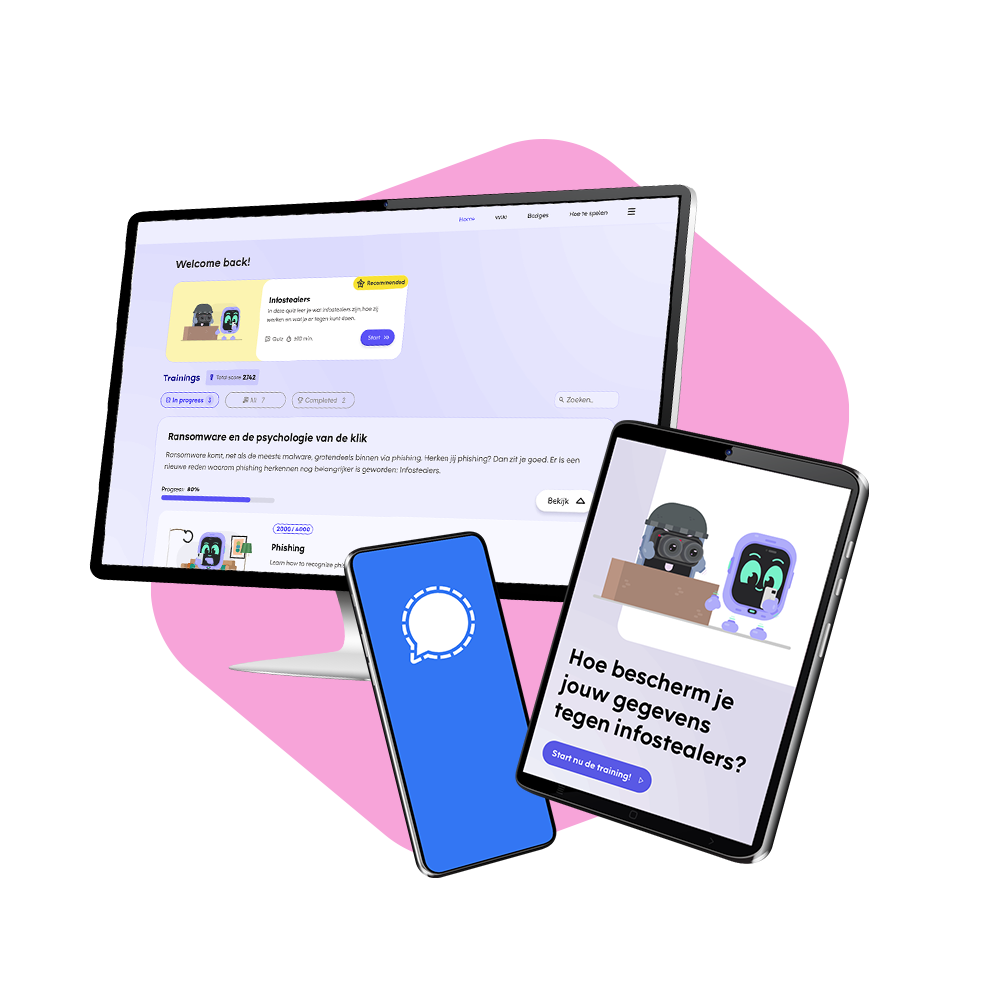
Mockup of a computer monitor, tablet, and smartphone displaying the interface of a digital cybersecurity training platform, featuring modules on topics such as infostealers and ransomware

Experience real-world scenarios with our simulations

The days of phishing with poor grammar, anonymous greetings, or suspicious email addresses are behind us.
Today, phishing is increasingly about context and personalization: hackers use sophisticated social engineering techniques that seamlessly align with employees' daily activities, making messages nearly indistinguishable from legitimate communication. In a world full of such advanced cyber threats, proper preparation is crucial.

Our simulations go beyond where traditional training stops. We combine the theory in the training with a realistic social engineering scenario. This allows employees to experience the theory directly in practice. They not only understand how it works, but also learn how to act effectively during a real threat. That’s complete preparation.

VNG logo in gray
vng logo
Simulation Scenario

Shadow AI

Blocking AI tools doesn't work, in fact, it only fuels Shadow AI. Our simulation trains your employees to use generative AI effectively, without leaking sensitive company data.

  • Train safe AI practices
  • Psychological Unmasking
  • Prevent Data Breaches
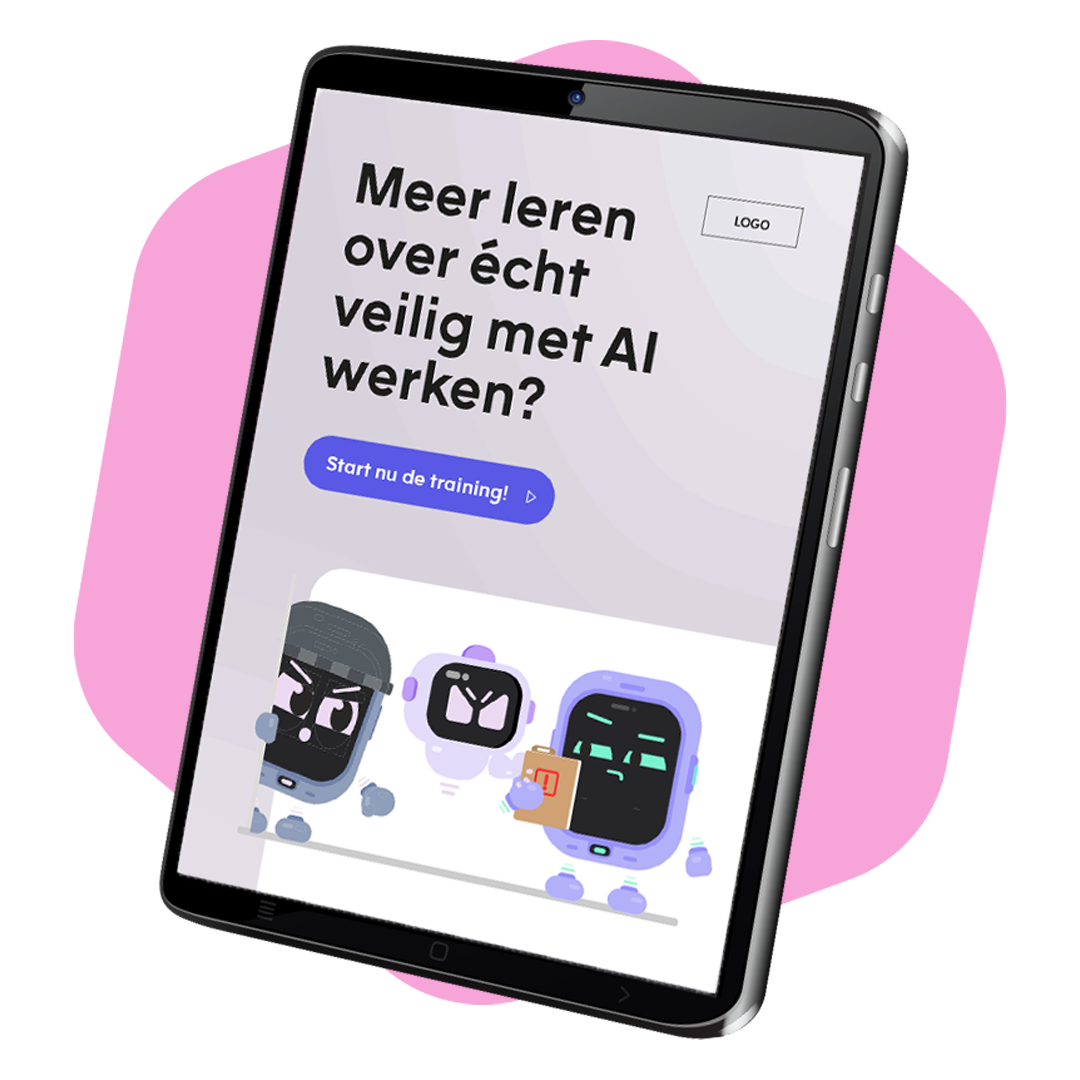
"A mockup of a tablet featuring a communication tool that promotes an online training course on AI safety, with the text 'Want to learn more about working safely with AI?' and a button to start the training."
Simulation Scenario

Infostealers

With this simulation scenario, employees learn what infostealers are, how to prevent them, and how to respond in the event of an infection.

  • Recognizing how infostealers try to gain access
  • Simulate with an infostealer landing page
  • Communication materials about infostealers
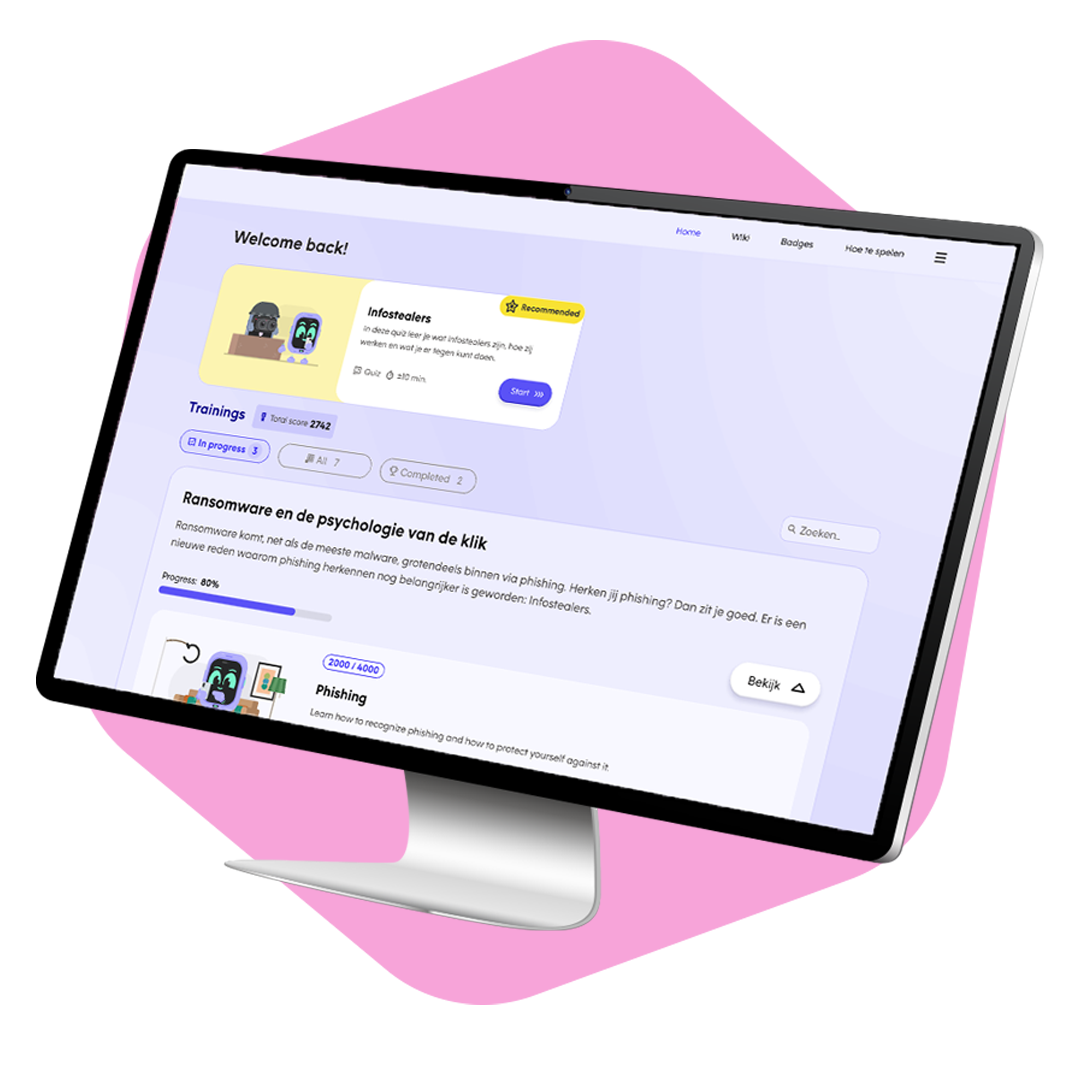
"A mockup of a computer monitor displaying the dashboard of the digital cybersecurity training platform 'Wave.' The screen shows, among other things, a recommended module on 'Infostealers' and an active training session on 'Infostealers.'"
Simulation Scenario

Signal

Signal is known for its privacy, but criminals exploit that very trust. Criminals break in by sending you a message or having you scan a QR code to then take over your account. In this simulation, you will learn which psychological principles they use and how to become more resilient against them.

  • Train with concrete behavioral tips
  • Simulate with Signal QR code phishing
  • Prevent Signal account takeovers
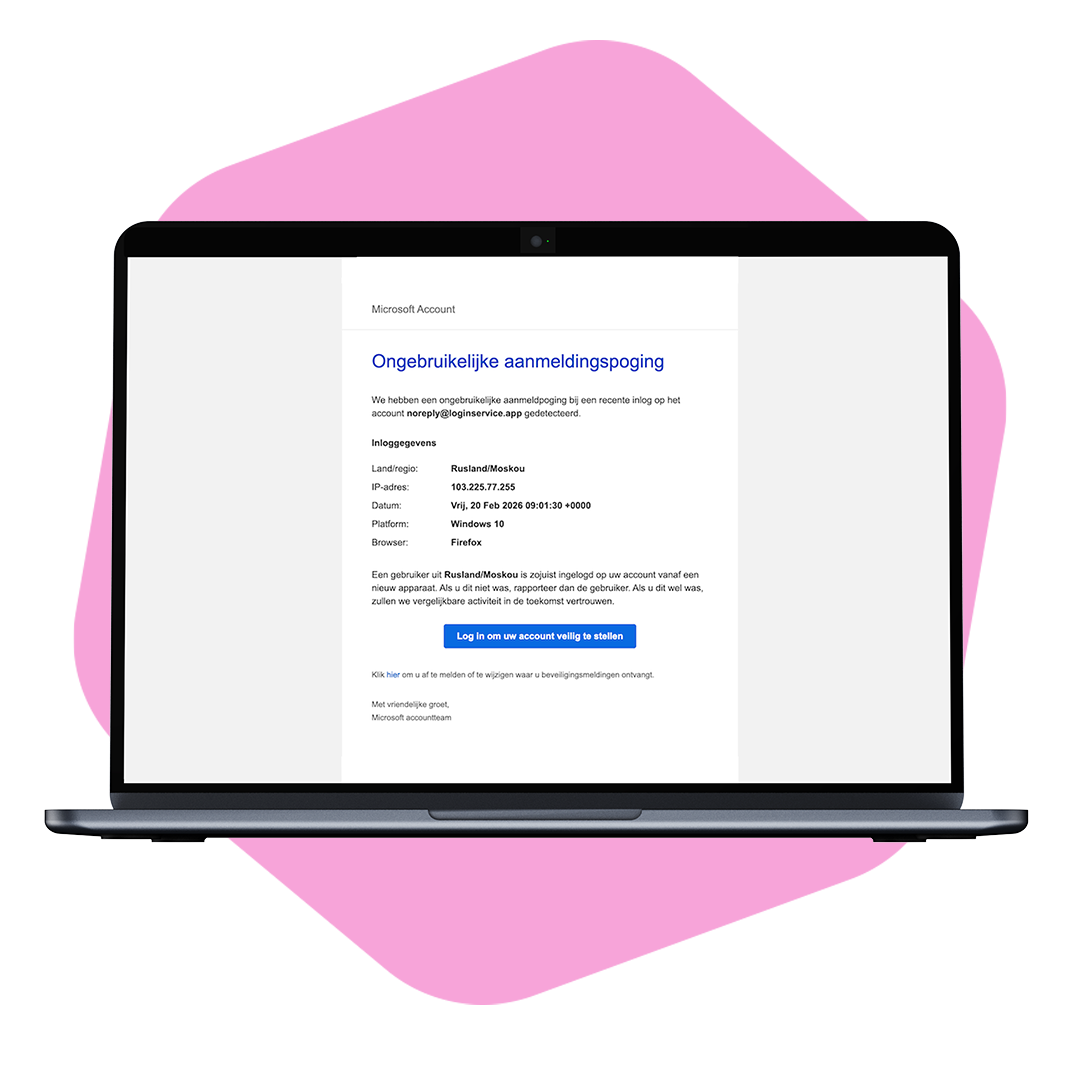
Mockup of a laptop displaying an example of a phishing email. The fake email purports to be from Microsoft, warning of an "unusual login attempt" from Russia, and includes a deceptive button that supposedly secures the account.
Simulation Scenario

Multi-channel attack

Social engineers are increasingly gaining access through multi-layered attacks. For example, they might start with an email and follow it up with a phone call to obtain data. Train your employees to recognize and fend off these attacks.

  • Recognize social engineering tactics in email and voice phishing simulations
  • Psychological Unmasking
  • Measurable Readiness
multichannel-shape-1
Portrait photo of Tom van Ruitenbeek, social engineering expert at Awareways.

“Our social engineering scenarios allow you to quickly and
effectively respond to current threats.”

Tom van Ruitenbeek, Social Engineering Expert

Get started today


Within two weeks, you’ll have the foundation for your program.


Prepare for the unexpected with strategic interventions

Our realistic simulations, whether they involve email phishing, voice phishing, or our Wave learning platform, turn theory into action. By securely exposing vulnerabilities, we help employees build the instincts to recognize and stop threats.

  • Circle Frame-1
    Addressing current risks for your organization
  • Circle Frame-1
    Various Types of Simulations
  • Circle Frame-1
    Each scenario contains various learning interventions

FAQ

Frequently Asked Questions

Traditional security awareness training and phishing tools often focus solely on the “click” and are perceived by employees as a “test.” Employees learn a trick, but don’t understand the underlying psychology. Today’s hackers are evolving at lightning speed and exploit human reflexes, time pressure, and authority.

Awareways’ simulation scenarios go beyond the “don’t click” rule and focus on realistic attacks. We combine cybersecurity with behavioral science to make employees resilient against phishing attacks. At Awareways, we look not only at clicking behavior but specifically at reporting behavior, which drives lasting cultural change.

Many organizations rely entirely on Multi-Factor Authentication (MFA). However, CISOs know that modern infostealers and MFA fatigue effortlessly bypass these technical barriers. When technology fails, the employee is the last line of defense.

Our specialized infostealer simulation exposes employees to the psychological tricks hackers use to steal session tokens and login credentials. We make the invisible tangible, thereby increasing vigilance and measurably improving human readiness.

Blocking generative AI tools is counterproductive; in fact, it encourages the use of Shadow AI. After all, employees are looking to be more efficient and will circumvent IT restrictions by using personal accounts. This significantly increases the risk of data breaches.

Our Shadow AI simulation takes a positive approach: digital dexterity and AI literacy. We train employees to harness the power of generative AI effectively and securely, without sensitive company or personal data ending up in the wrong hands. In this way, we help the CIO and DPO foster innovation within a secure framework.

Social engineering is increasingly shifting to channels outside the traditional business email inbox. We call this a multi-channel attack.

Signal / WhatsApp: We simulate attacks via alternative communication channels where employees are more likely to feel secure. In these simulations, we can focus on one of these channels or combine them with email, SMS phishing (smishing), and/or voice phishing.

Odido: The Odido hack involved both email phishing and voice phishing. In this simulation scenario, we carry out a multi-channel attack based on the hack that occurred at Odido.

Within our platform, we don’t focus on one-time figures, but on measurable readiness over a longer period. After each simulation scenario, you’ll receive clear reports and analytics.


You’ll gain immediate insight into:

  • The decrease in the success rate of the simulated attacks.
  • The increase in the willingness to report suspicious situations.
  • The effect of different types of social engineering techniques and personalization in phishing emails on your organization.
  • Concrete behavioral data that you can use for audits and compliance reports (such as NIS2 or ISO 27001).

In as little as 48 hours! The go-live schedule will be fully coordinated with your organization so that we can get started right away at a time that works for you.

Want to know more?

Portrait photo of Tom van Ruitenbeek, social engineering expert at Awareways.

Tom van Ruitenbeek

Social Engineering Expert

Want to know more?

Our experts are here to help you!

Talk to an expert